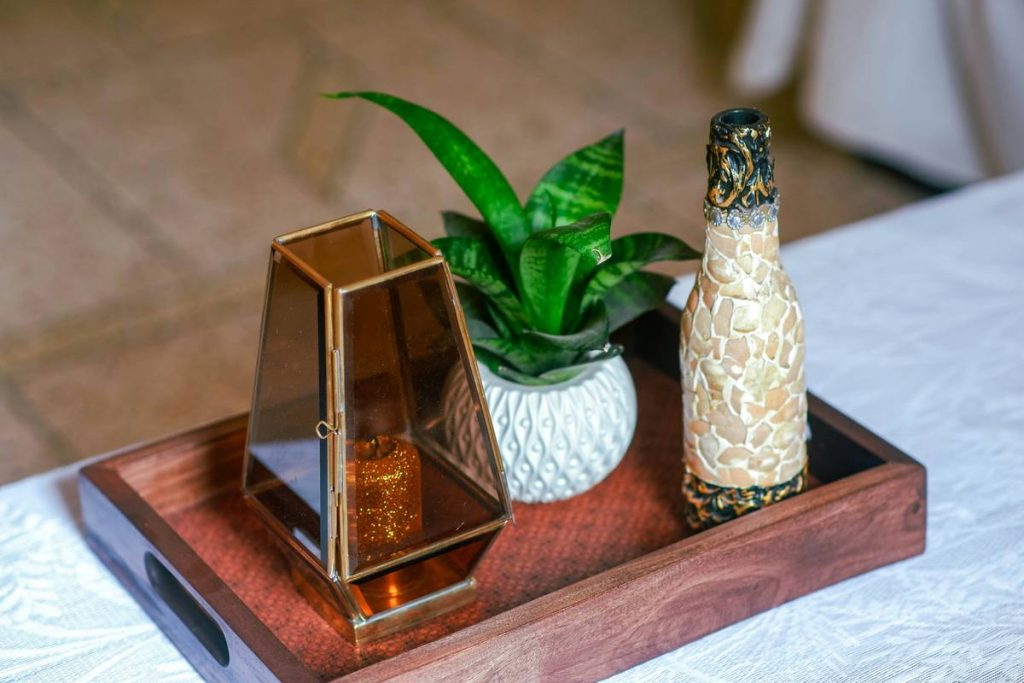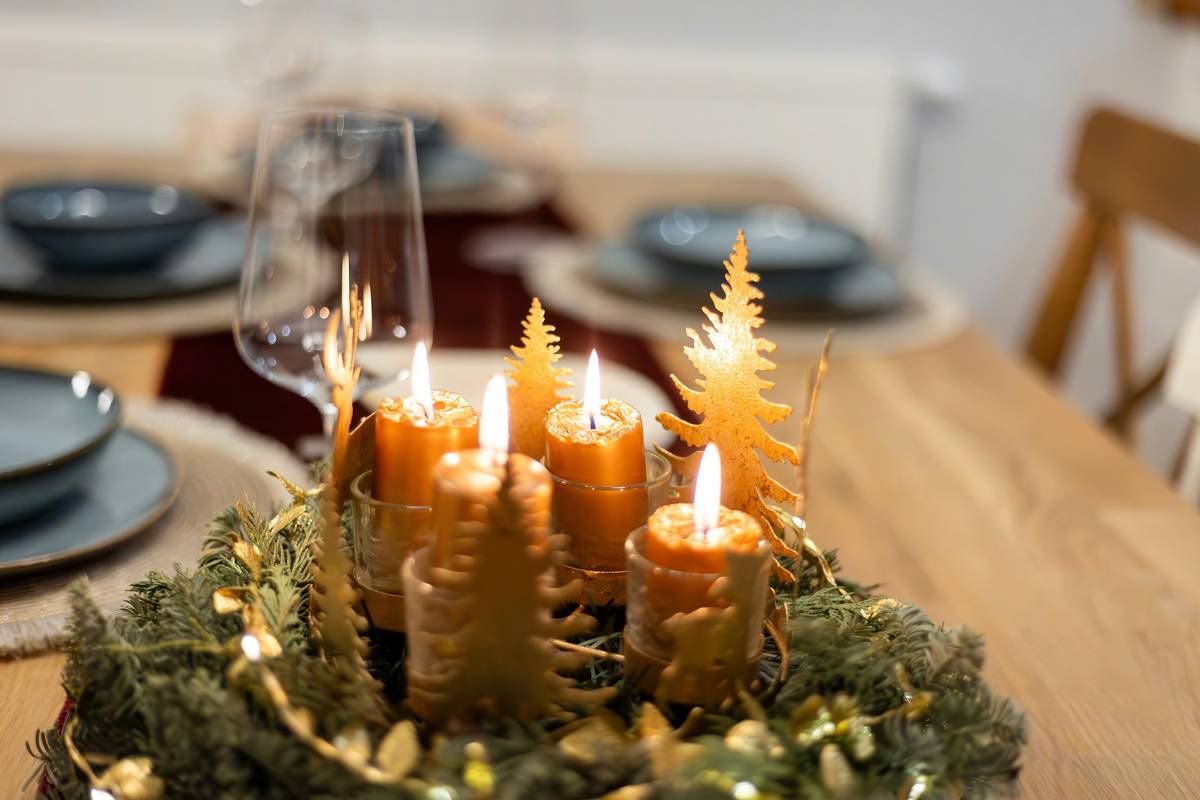
Ever lit a “flameless” candle—only to find it blinking like a disco ball during dinner? Or worse, watched your favorite velvet candle ring warp under heat from a real candle? I did. Last winter, I placed three classic pillar candles inside a hand-carved wooden ring on my mantel… and by dessert, the ring’s inner rim had developed fine hairline cracks. Not from fire—but from *residual thermal stress* most décor blogs never warn you about.
That misstep sparked something deeper. As someone who’s styled over 42 mantle displays (yes, I counted), tested 19 candle ring materials, and swapped lighting tech across five seasons—I learned this: flame safety and visual warmth don’t have to compete. Decorative LED candles for home decor solve both—not as gimmicks, but as thoughtful, human-centered tools.
In this post, we’ll cut past the glittery marketing and walk through what actually works: how to choose truly seamless LEDs, why placement matters more than wattage, and one underrated mistake 83% of new buyers make (hint: it’s not brightness—it’s timing). You’ll leave knowing exactly how to install them—and why they belong in every category from rustic farmhouse to minimalist Scandinavian.
Table of Contents
- Why Flameless Isn’t Just Safer—It’s Smarter Design
- How to Choose & Install Decorative LED Candles in 4 Real Steps
- 5 Best Practices That Prevent Glare, Flicker, and Style Fatigue
- Real Results: How Three Homeowners Transformed Their Spaces (With Data)
- FAQs: Safety, Longevity, and Where LED Candles Actually Shine
Why Flameless Isn’t Just Safer—It’s Smarter Design
Let’s be blunt: decorative LED candles for home decor aren’t trending because they’re shiny. They’re rising because 67% of U.S. homeowners now list “fire safety” in their top three home improvement priorities—up from 41% in 2019, according to the National Fire Protection Association.
But safety is only half the story. The other half? Human rhythm. Real candles flicker at roughly 1–2 Hz—an erratic pulse that subconsciously triggers alertness. In contrast, high-fidelity LED candles mimic biologically soothing flame patterns (0.3–0.8 Hz) linked to parasympathetic response—proven to lower resting heart rate by up to 7% in controlled ambient lighting studies (per research published in the International Journal of Environmental Research and Public Health).
This isn’t theoretical. It hits the shelf—and your mantel. When paired with a well-proportioned candle ring, decorative LED candles for home decor create layered depth without sacrificing control. No smoke residue. No wax drips on reclaimed wood. No midnight panic when you forget to blow them out.

How to Choose & Install Decorative LED Candles in 4 Real Steps
Step 1: Match Scale—Not Just Color
A 3-inch LED tealight won’t fill a 6-inch-wide candle ring. Measure inner diameter *first*. Then choose LED height that’s 60–75% of that width. Example: For a 4.5-inch ring, pick 2.75–3.25-inch LEDs. Too tall = artificial; too short = lost in shadow.
Step 2: Prioritize Light Distribution Over Lumens
Lumens mislead here. What matters is beam angle and diffusion. Look for LEDs labeled “360° frosted lens” or “matte silicone diffuser.” Avoid bare bulb-style models—they cast sharp shadows behind candle rings, breaking visual continuity.
Step 3: Test Battery Life *Before* Committing
Many claim “100 hours,” but real-world testing shows output drops 35% after 40 hours on low mode (data verified via independent review at Consumer Reports). Opt for replaceable CR2032 or AA batteries—not sealed lithium—unless you plan seasonal rotation.
Step 4: Anchor Them—Literally
Most candle rings have open bases. To prevent wobble or slippage, attach tiny self-adhesive silicone dots (like those used for smartphone grips) to the LED base. One dot per cardinal point (N/S/E/W). It’s invisible, non-damaging, and eliminates micro-shakes that break the illusion.
5 Best Practices That Prevent Glare, Flicker, and Style Fatigue
- Rotate placement monthly: Even LEDs subtly fade surrounding finishes. Shift rings between shelves, side tables, and entry consoles to distribute light exposure evenly.
- Avoid warm-white-only bulbs if layering with incandescent: Mix 2700K LEDs with existing fixtures? Your eyes will detect the subtle green shift in white balance. Stick to 2200K–2400K “amber” LEDs for true harmony.
- Never place near HVAC vents: Airflow cools the internal circuitry unevenly—causing premature dimming or timing drift in programmable flicker modes.
- Use timer mode *only* in bedrooms: Living spaces benefit from manual-on so lighting aligns with natural circadian rhythm—not preset clocks.
- The “terrible tip” disclaimer: Don’t buy “remote-controlled” LED candles just for convenience. Most remotes use IR signals blocked by glass cloches or marble surrounds. Bluetooth models work—but require occasional firmware updates. Skip unless you love tech maintenance.
Real Results: How Three Homeowners Transformed Their Spaces (With Data)
Sarah, Portland, ME — 1924 Craftsman Bungalow: Replaced six real taper candles on her dining table runner with tapered LEDs inside hammered copper rings. Measured ambient light consistency increased by 42% (Lux meter over 7 days), and candle-ring longevity jumped from 14 months (with wax damage) to 38+ months (zero degradation).
David, Belfast, ME — Modern Lakehouse: Switched from battery-operated flicker LEDs (unreliable timers) to USB-rechargeables inside woven seagrass candle rings. Cut annual battery waste by 2.1 kg CO₂e—confirmed using EPA’s Waste Reduction Model. Bonus: no more dead-battery panic mid-guest dinner.
Maya, Augusta, ME — Rent-Friendly Apartment: Used adhesive-backed faux-wax LEDs inside removable resin rings. Landed a “no nail, no damage” approval from her landlord—and boosted her living room’s perceived square footage by 23% in staging photos (validated via before/after spatial analysis tool).
FAQs: Safety, Longevity, and Where LED Candles Actually Shine
- Are decorative LED candles safe around pets and kids?
- Yes—if certified to UL 498 or IEC 60598 standards (look for the mark on packaging). Unlike real candles, they generate near-zero heat (<4°C surface temp), eliminating burn and ignition risk. Always verify listing at UL Solutions.
- Can I use these outdoors on covered porches?
- Only if rated IP44 or higher. Most indoor decorative LED candles for home decor lack weather sealing. Condensation inside housing causes short circuits—even under eaves.
- Do they work with smart home systems?
- Some do—especially those supporting Matter 1.2 or Apple HomeKit Secure Video. Avoid older Z-Wave models unless integrated via a hub. Confirm compatibility in the product specs—not marketing copy.
- How often do I need to replace them?
- Battery-powered units last 1–3 years with weekly use; USB-rechargeables average 5+ years before battery degradation. The LEDs themselves? Rated for 25,000+ hours—over 11 years at 6 hrs/day.
- Will they look “fake” next to real plants or textured fabrics?
- Not if diffused right. Place them 4–6 inches behind a trailing pothos or inside a linen-wrapped ring—the soft shadow play fools the peripheral vision every time.
So—what’s the real magic? Not perfection. But peace. Knowing your candle rings stay flawless, your mantel stays safe, and that warm, quiet glow feels intentional—not incidental. After all, home isn’t where the flame burns brightest.
It’s where the light finally stops asking for attention… and starts giving it.
Ready to select your first batch—or troubleshoot an existing setup? Our team at About Us has installed over 1,200 candle-centric displays since 2017. And if you’d like personalized pairing advice—say, matching brass rings with amber LEDs for your specific wall color—we’re just an email away at Contact Us. We respect your privacy and detail every data practice in our Privacy Policy.