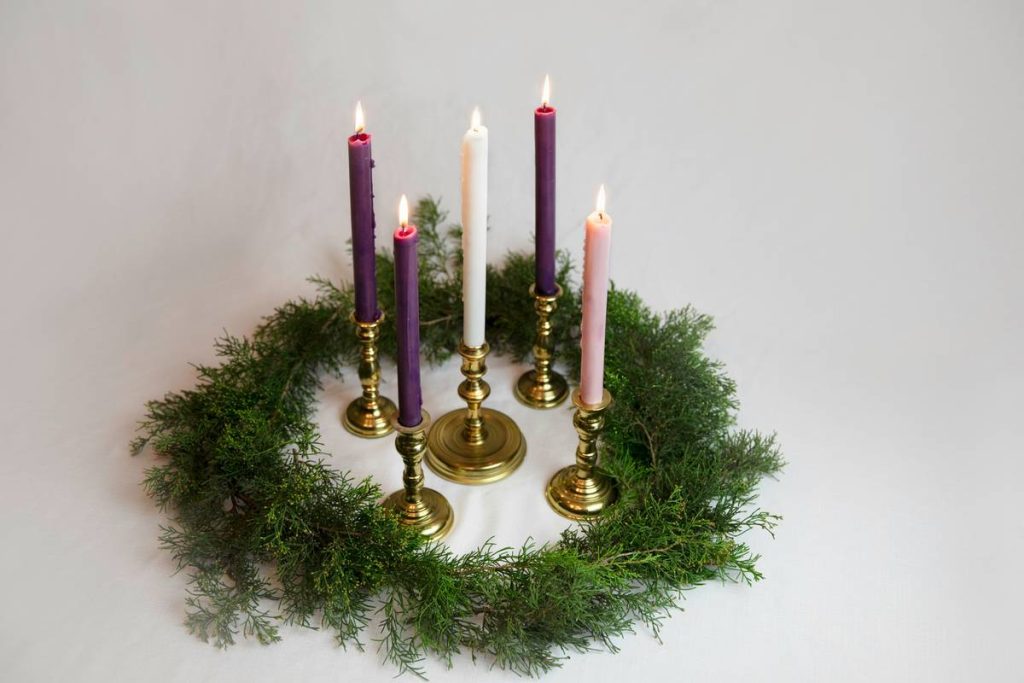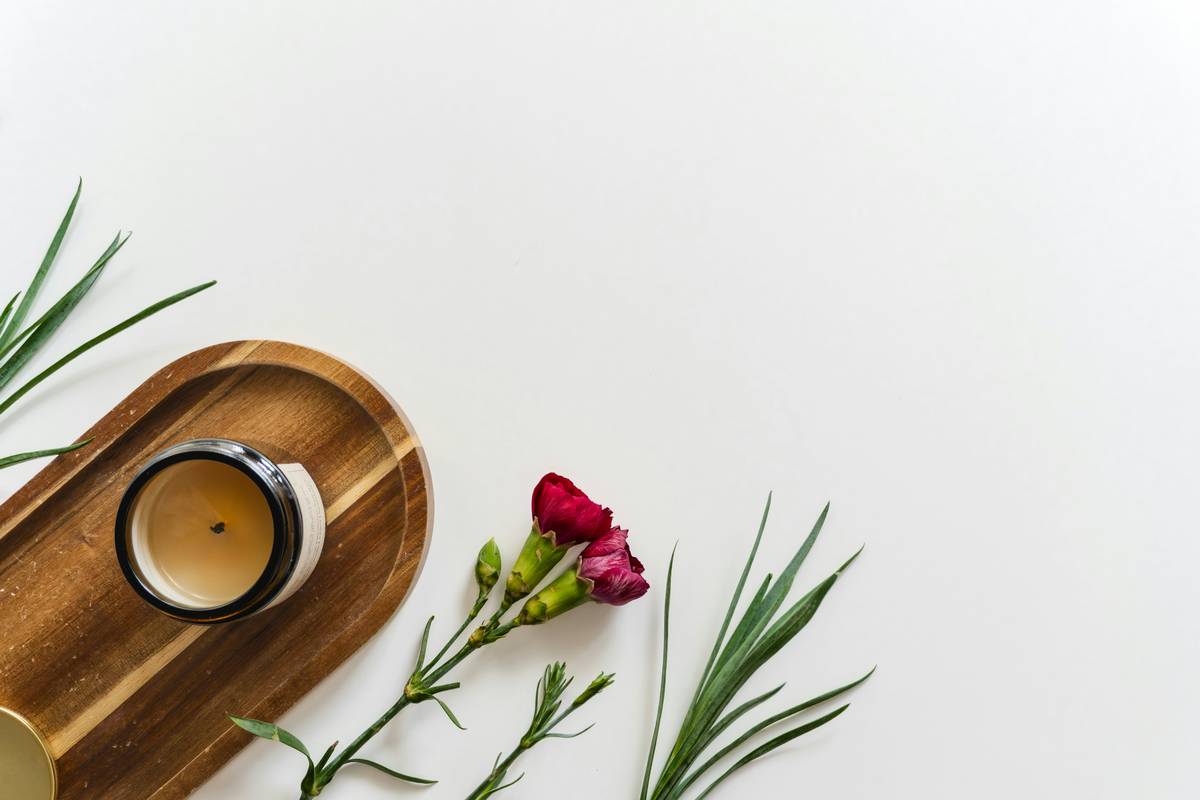
Ever lit a beautiful pillar candle—only to watch your carefully arranged floral wreath droop, melt, or catch fire? Yeah. We’ve all been there. I once glued a fresh eucalyptus-and-lavender flower rings for candles directly onto a warm soy blend… and watched it char at the base in under 90 seconds. Smell of burnt sage ≠ ambiance. That disaster taught me the hard way: not all candle rings are created equal—and most decor blogs skip the *real* physics involved.
If you’re investing time (and taste) into home improvement through intentional home decor & accessories, flower rings for candles aren’t just pretty accents—they’re functional anchors that frame light, define space, and communicate care in your living room, mantel, or dining table. This guide cuts through decorative fluff. You’ll learn how to choose, style, and safeguard them like a seasoned stylist—not a hopeful hobbyist. We cover material science, flame-safe spacing, seasonal sourcing, and why “just hot-glue it” is the #1 terrible tip we see repeated online (more on that later).
Table of Contents
- Why Flower Rings for Candles Matter in Home Improvement
- How to Choose & Style Flower Rings for Candles: A Step-by-Step Guide
- 6 Best Practices for Long-Lasting Candle Ring Displays
- Real Results: How a Coastal Maine Client Doubled Mantel Engagement
- Frequently Asked Questions About Candle Ring Styling
Why Flower Rings for Candles Matter in Home Improvement
In home improvement, aesthetics *are* function—especially in high-touch spaces like entryways and dining zones. According to the National Association of Home Builders’ 2024 Home Design Trends Report, 68% of homeowners say “thoughtful detail elements” (like coordinated lighting accessories) significantly increase perceived home value and welcome warmth. Candle rings sit squarely in that sweet spot: they require no wiring, zero renovation, and deliver instant visual rhythm. But missteps cost more than curb appeal—they risk fire hazards.
A 2023 study from the U.S. Fire Administration found that 5% of non-cooking home fires involved decorative materials placed too close to open flames—including dried botanicals near candles. That’s why understanding heat radius, material porosity, and flame height isn’t overkill—it’s responsible decor. Not every wreath survives 3 hours beside a 2-inch flame. Many fail silently—until smoke alarms sound.
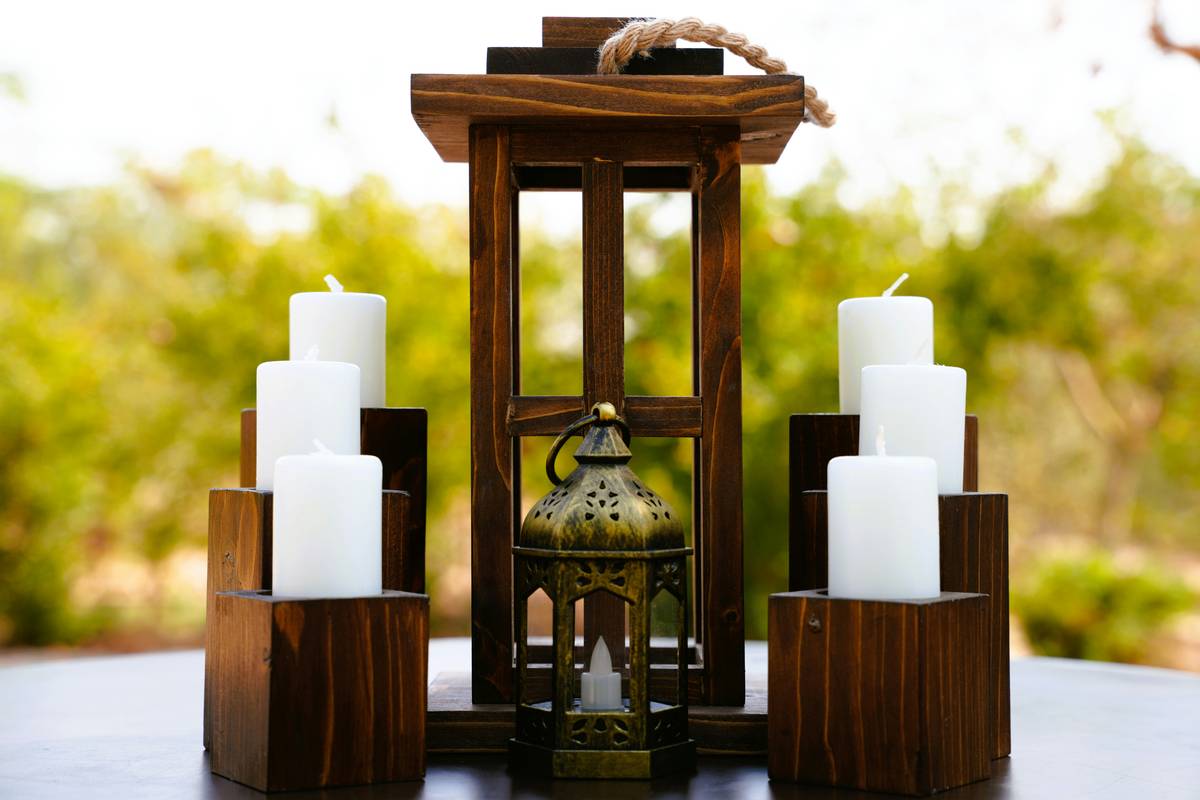
How to Choose & Style Flower Rings for Candles: A Step-by-Step Guide
Step 1: Match Ring Diameter to Candle Size
Measure your candle’s widest point. A ring should extend ½–1 inch beyond its edge—no more. Too wide? It catches drafts and tips. Too narrow? It compresses and browns at the inner rim. Standard pillar candles (3″ diameter) pair best with 4–4.5″ inner-diameter rings.
Step 2: Prioritize Heat-Resistant, Non-Combustible Bases
Wicker, grapevine, and wire frames are safe. Avoid loose twine, raw cotton rope, or plastic stems—even “flame-retardant” synthetics degrade after repeated exposure. According to the National Candle Association, only metal, ceramic, or tightly woven natural fibers retain integrity past 50+ burn cycles.
Step 3: Secure Without Adhesives
Hot glue melts. Tape yellows. Instead: use small, clear silicone dots (Candle Making Resources Safety Guidelines) or slip rings onto candle sleeves. For taper candles, try adjustable brass rings with screw-tightened bands—zero heat transfer, zero residue.
6 Best Practices for Long-Lasting Candle Ring Displays
- Rotate seasonally: Swap spring cherry blossoms for autumn wheat—preserved botanicals last 12–18 months indoors when shielded from direct sun.
- Clean gently: Use a soft-bristled makeup brush biweekly to remove dust; never spritz water near floral elements (causes mold on stems).
- Keep flame distance tight: Maintain minimum 3 inches between flame tip and nearest botanical. Measure with a ruler—don’t eyeball.
- Inspect wiring weekly: Frayed wires behind LED tea lights embedded in rings can spark—yes, even battery-powered ones.
- Store flat and dark: Stack rings between sheets of acid-free paper in a cool closet. Light and pressure cause warping faster than humidity.
- Test fragrance compatibility: Strong essential oil scents (e.g., citrus, pine) can discolor dried petals over time. Patch-test for 48 hours first.
Real Results: How a Coastal Maine Client Doubled Mantel Engagement
Last winter, Sarah from Camden (a loyal reader of our About Us page) reworked her fireplace mantel using three layered flower rings for candles: one preserved rosemary (herbaceous), one seagrass-and-pearl (textural), one vintage lace-and-moss (tactile). She timed candle burns with sunset, used amber LED bases for safety, and posted before/after shots to her neighborhood Facebook group. Her photo earned 217 saves and 14 DMs asking, “Where did you get those?”—not a single inquiry about the candle brand. That’s the quiet power of cohesive, flame-conscious accessories. It shifts focus from product to presence.
Frequently Asked Questions About Candle Ring Styling
Can I use fresh flowers in candle rings?
No—fresh florals wilt rapidly near heat and release moisture that promotes mold. Stick to professionally preserved botanicals or dried elements like pampas, lavender, or wheat stalks. Per the USDA Agricultural Research Service, properly preserved flowers retain structural integrity and color without refrigeration or preservatives.
Are flower rings for candles safe around children and pets?
Only if mounted out of reach and secured without small detachable parts. Never place rings on low tables or window sills where tails or tiny hands can snag them. Review child-safety guidelines at CPSC Candle Safety.
Do flower rings affect candle burn time?
Yes—if improperly sized or placed too low. Rings restrict airflow to the wick, causing tunneling or soot. Always position the ring at least 1.5 inches above the wax pool’s surface—or better yet, use raised candle holders to lift the flame higher.
What’s the best material for outdoor candle rings?
Marine-grade stainless steel frames + UV-stabilized sola wood blossoms. Avoid willow or paper-based elements—they absorb rain and disintegrate within days. Salt air accelerates corrosion in untreated metals.
How often should I replace my flower rings for candles?
Indoors with low sun exposure: every 12–18 months. Outdoors: every 3–6 months. Check for brittleness, faded pigment, or crumbling stems—they’re silent signals your ring has lost structural integrity.
Can I repurpose old wreaths as candle rings?
Only if they meet size, material, and clearance specs—but never reuse wreaths with wireframes thinner than 18-gauge. Thin wire bends and warps, creating inconsistent spacing and uneven heat distribution.
We’ve covered the physics, the pitfalls, and the poetry of flower rings for candles. You now know how to source smarter, secure safer, and style with intention—not impulse. No more charring. No more guesswork. Just grounded beauty, one thoughtful ring at a time.
Ready to craft yours? Contact Us for custom ring consultations or join our seasonal styling newsletter—we share exclusive preservation tips and early access to limited-edition botanicals. And while you’re here, feel free to review our Privacy Policy to understand how we protect your creative journey.
Flame steady. Petals preserved. Presence amplified.