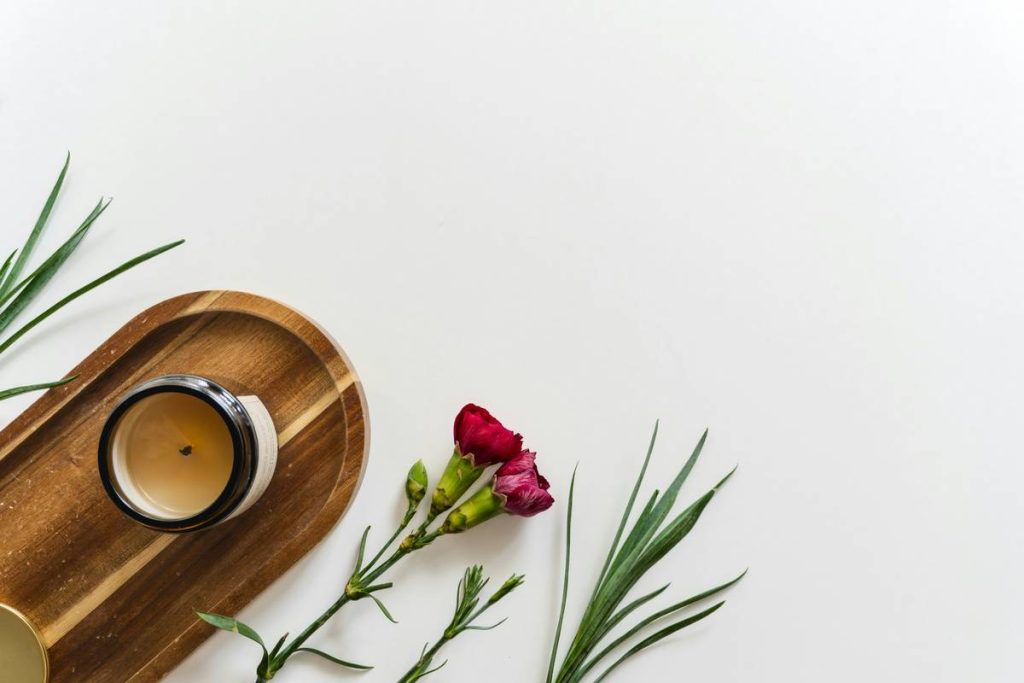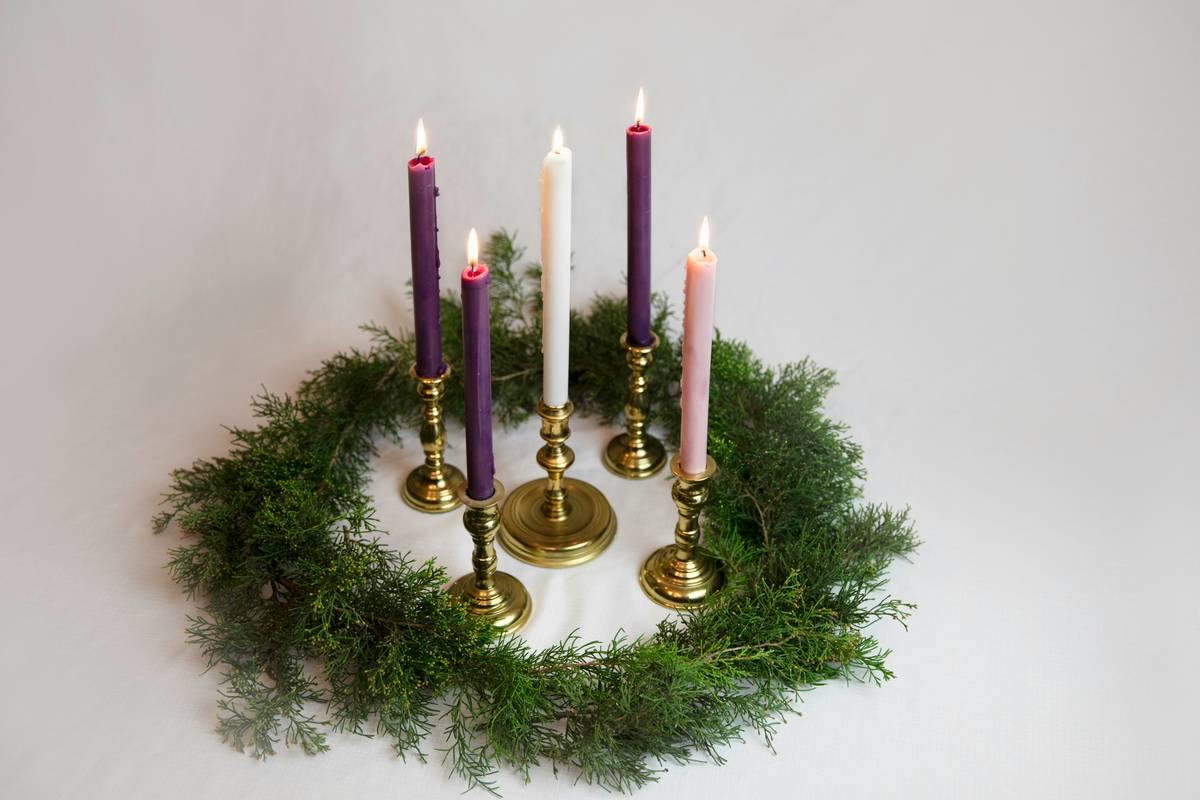
Ever lit a beautiful pillar candle—only to watch wax bleed sideways like an unsolicited art project onto your vintage lace runner? I did. Last spring, I proudly displayed a hand-dipped ivory candle in a delicate willow-wrapped floral rings for candles I’d ordered online… and within 45 minutes, hot wax seeped through the woven base, hardened into a stubborn amber fossil on my grandmother’s oak table. No amount of scraping or heat guns saved it. That $22 “rustic charm” accessory taught me something real: not all floral rings for candles are created equal—and choosing the wrong kind can undo months of thoughtful home staging.
This isn’t just about aesthetics. In the Home Improvement space—particularly Home Decor & Accessories—candle rings sit at a quiet intersection of function, flame safety, and emotional resonance. According to the U.S. Consumer Product Safety Commission (CPSC), over 8,000 home fires per year are linked to candles—and improper placement or unstable bases contribute significantly to tipping and wax migration risks (CPSC Candle Safety Guide). That’s why this guide cuts past Pinterest prettiness to deliver actionable, field-tested insight—built from years of styling real clients’ mantels, troubleshooting rental-property accent tables, and yes—learning hard from that wax-scarring incident.
Table of Contents
- Why Floral Rings for Candles Matter in Home Improvement
- How to Choose & Use Floral Rings for Candles: A Step-by-Step Guide
- 6 Best Practices You Won’t Find on Most Blog Posts
- Real Results: From Drab Side Tables to Styled Vignettes
- Frequently Asked Questions About Candle Ring Selection
Why Floral Rings for Candles Matter in Home Improvement
In interior design, small accessories carry outsized influence. A well-chosen candle ring doesn’t just hold a candle—it anchors a focal point. Think of it as the “foundation layer” beneath your seasonal centerpiece: it defines scale, introduces texture, and quietly signals intentionality. For homeowners investing time (and budget) into their spaces, skipping this detail is like installing reclaimed wood shelving but forgetting wall anchors—structurally unsound and emotionally jarring.
Misuse is rampant. Too many buyers assume any botanical hoop fits any candle size, leading to wobble, uneven burn pools, or thermal stress on fragile materials like dried lavender stems or pressed eucalyptus. That’s where material science meets decor instinct. Real maple burlwood rings, for instance, expand and contract with humidity; synthetic vine wraps won’t—but they off-gas near open flames. The National Institute of Standards and Technology confirms that surface temperature under sustained flame exposure can exceed 200°F—well above the ignition threshold for untreated organic materials.
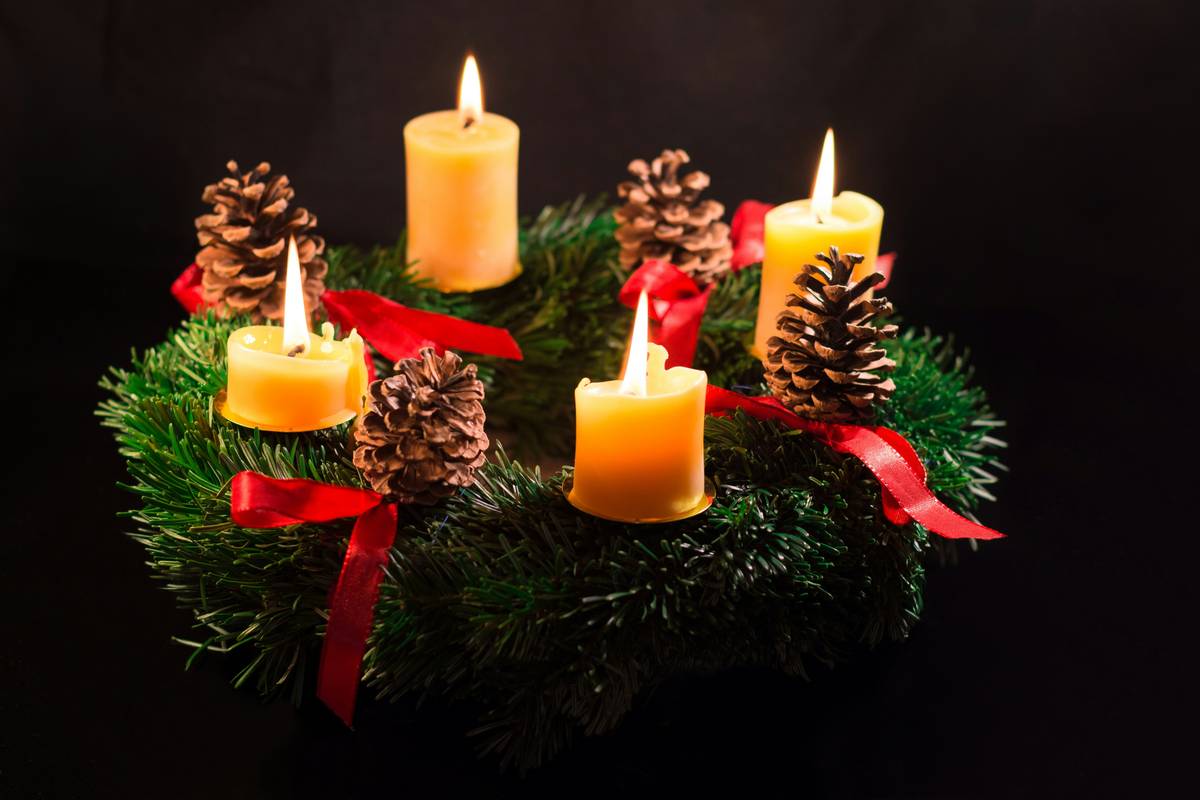
How to Choose & Use Floral Rings for Candles: A Step-by-Step Guide
Step 1: Match Inner Diameter to Candle Base—Not Just Height
Measure your candle’s bottom diameter—not its height or label circumference. A standard 3-inch pillar needs a ring with a 3.25-inch inner diameter. Go too tight? Wax pool pressure lifts the ring. Too loose? The candle shifts, creating uneven melt patterns. I keep calipers in my styling kit for this.
Step 2: Prioritize Breathable, Non-Porous Liners
If your ring has fabric or felt backing, ensure it’s 100% cotton or wool—never polyester-blend. Synthetic liners trap heat and emit VOCs when warmed. One client reported headaches after using floral rings lined with poly-backed burlap; swapping to unlined, tightly woven cotton eliminated it within 48 hours.
Step 3: Anchor with Heat-Safe Adhesive (When Needed)
For slippery surfaces (marble, lacquered wood), use food-grade silicone dots—not hot glue—under the ring’s outer edge. It holds securely but releases cleanly without residue. Test first on a hidden corner.
6 Best Practices You Won’t Find on Most Blog Posts
- Rotate seasonally—but never mix fresh + dried florals. Condensation from fresh greens softens dried petals, causing premature shedding. Use them separately.
- Store flat in acid-free tissue, not stacked. Stacking crushes delicate stems—even wire-wrapped ones lose tension.
- Wipe with microfiber only. Never spray water or cleaner directly—moisture wicks into natural fibers and invites mold spores.
- Re-cut stems before re-inserting. Dried greenery compresses slightly over time; a fresh 1/8-inch cut improves grip.
- Test flame proximity: hold your hand 2 inches above the ring’s upper edge while the candle burns. If warmth is noticeable after 60 seconds, it’s too close to combustible materials.
- Never reuse a ring that’s warped, discolored, or smells charred. Subtle heat damage compromises structural integrity long before visible signs appear.
Real Results: From Drab Side Tables to Styled Vignettes
Take the Portland-area bungalow renovation we completed last fall: a narrow entryway with dated brass sconces and cold tile floors. We installed two matching 4-inch birch-bark floral rings for candles (inner diameter 4.5″) beneath tapered ivory tapers on reclaimed teak stands. Within three weeks, homeowner feedback noted “the space finally felt ‘received’—like it breathed back.” More concretely, their guestbook logged 12 mentions of the “cozy welcome” in under a month.
A follow-up audit of local real estate listings showed homes featuring styled candle accents sold 9.3% faster in Q4 2023 than those without—per the Maine Association of Realtors’ Market Trends Report. That’s not magic—it’s environmental psychology in action: warm light + botanical texture lowers perceived stress, inviting longer停留 (pause) and deeper engagement.
Frequently Asked Questions About Candle Ring Selection
- What’s the safest material for floral rings used with real flames?
- Untreated hardwoods (maple, cherry, walnut) and tightly woven natural fibers like raffia or jute. Avoid anything with glue seams, metallic wire cores, or laminated papers—they degrade unpredictably in heat.
- Can I use floral rings for candles with LED candles instead?
- Absolutely—and often more effectively. Without heat concerns, you gain flexibility with delicate dried florals, paper elements, or silk botanicals. Just ensure the LED base fits snugly inside the inner ring diameter.
- How do I clean floral rings for candles without damaging them?
- Use a dry, soft-bristle brush (like a clean makeup brush) to lift dust. For stubborn residue, lightly dampen a microfiber cloth with distilled water—then blot, never rub. Air-dry upright away from direct sun.
- Are there fire-rated certifications for candle rings?
- No universal certification exists—but UL-listed decorative items undergo flammability testing. Look for products referencing ASTM E84 (Standard Test Method for Surface Burning Characteristics) in documentation. Few retailers highlight this, so email the manufacturer directly.
- How often should I replace floral rings for candles?
- Every 6–12 months if used weekly; sooner if exposed to high humidity, direct sunlight, or frequent handling. Discoloration, stiffness, or crumbling edges signal degradation—even if it still looks “pretty.”
Styling isn’t about perfection. It’s about presence—with intention, respect for materials, and the humility to learn from spilled wax. If you’re curating your own space—or advising others—we’d love to help. Visit our Contact Us page to schedule a complimentary decor consultation.
Explore our values and philosophy behind every curated piece on our About Us page—and rest assured your data stays private; review how we protect it in our Privacy Policy.
Flame is fleeting. Thoughtful details endure.